
What is Data Cleansing Software?
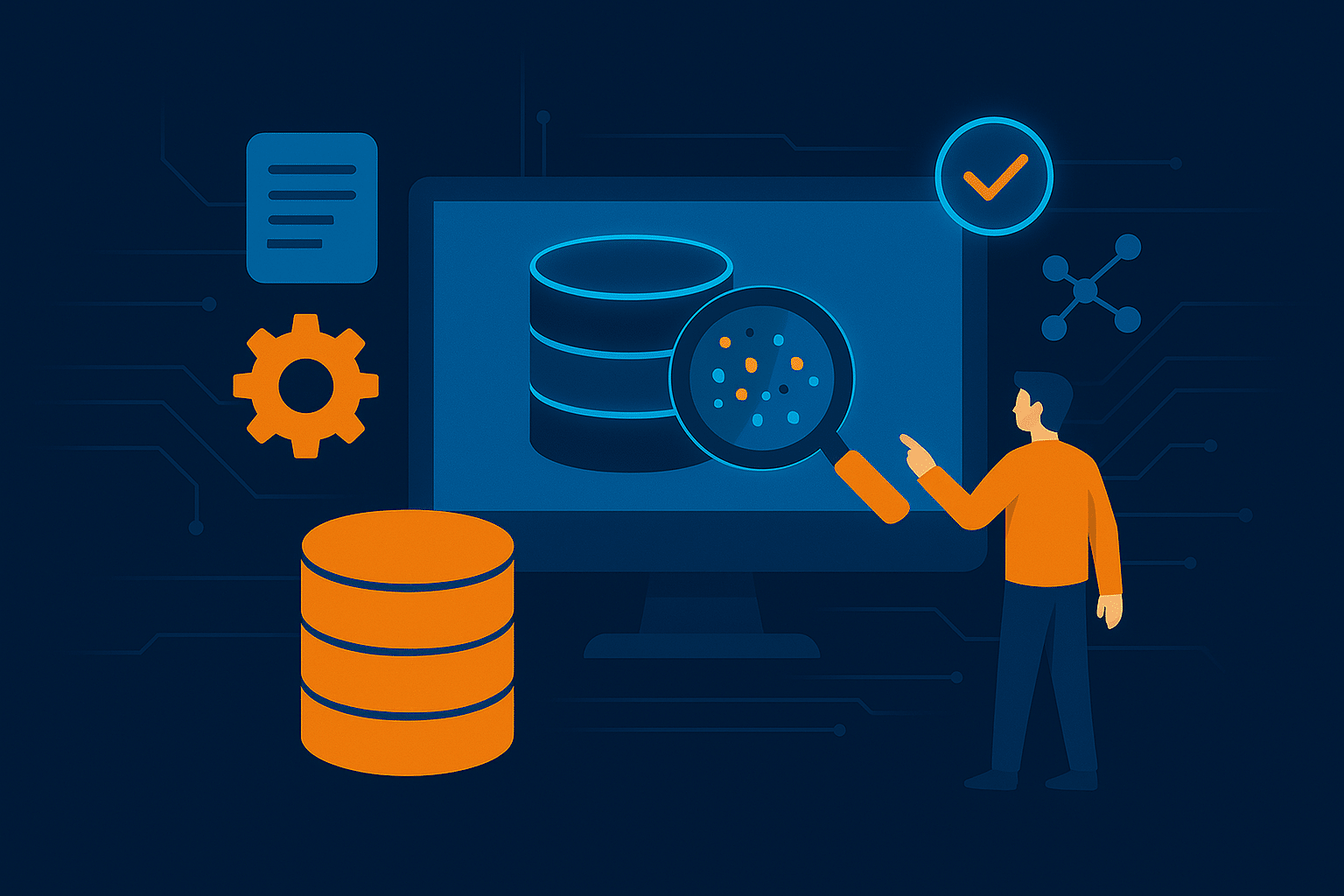
Data cleansing software refers to tools that identify, correct, and remove inaccuracies and inconsistencies within datasets. These tools help clean data by standardizing formats, removing duplicates, correcting errors, and enriching records — ensuring higher data quality.
Clean data is essential for accurate analytics, better decision-making, and streamlined operations. Poor data quality can result in misleading insights, inefficiencies, and costly business mistakes. As data volumes grow and businesses rely more heavily on AI and automation, maintaining clean, trustworthy data is more critical than ever.
Key Features to Look for in Data Cleansing Tools
When evaluating data cleansing software, decision-makers should consider the following features:
Automation: Reduces manual data entry and correction with rule-based and AI-driven cleaning.
Integration Capabilities: Seamlessly connects with databases, CRMs, ERPs, and other tools.
AI/ML Capabilities: Learns from patterns and improves data quality over time.
Scalability: Supports growing data volumes without performance issues.
Ease of Use: Offers intuitive UI/UX and requires minimal training.
Compliance Support: Assists in maintaining regulatory compliance (e.g., GDPR, HIPAA).
These features ensure long-term value and adaptability to different use cases and team skill levels.
Top 10 Data Cleansing Software in 2026
As the market for data cleansing software evolves, we’ve selected the top 10 tools based on performance, features, scalability, and user reviews.
1. Talend Data Quality
Overview: Talend offers a comprehensive suite for data integration and data quality. Its Data Quality module supports profiling, cleansing, and enrichment.
Best Features:
Real-time data profiling
Rule-based and machine learning cleaning
Integration with Talend Data Fabric
Pros: Open-source version available, strong community support, scalable for enterprise needs
Cons: Steeper learning curve for beginners
Best For: Enterprises and teams already using Talend’s platform
2. Informatica Data Quality
Overview: A leading enterprise-grade tool with robust capabilities for profiling, cleansing, matching, and monitoring.
Best Features:
AI-driven anomaly detection
Prebuilt templates for rapid deployment
Cloud-native architecture
Pros: Scalable, highly customizable, trusted by large organizations
Cons: Premium pricing
Best For: Large enterprises with complex data ecosystems
3. IBM InfoSphere QualityStage
Overview: IBM’s enterprise data cleansing solution that specializes in entity resolution and data matching.
Best Features:
Integration with IBM Cloud Pak
High-performance data matching
Rich metadata management
Pros: Reliable, great for legacy system integration
Cons: Requires IBM ecosystem for full functionality
Best For: Enterprises with mainframes or hybrid infrastructures
4. OpenRefine
Overview: A free, open-source tool ideal for data cleaning and transformation.
Best Features:
Faceted browsing for data exploration
Supports large datasets
Strong community plugins
Pros: Free, lightweight, flexible
Cons: Limited automation and no native cloud support
Best For: Data analysts and researchers working on structured data
5. Trifacta by Alteryx
Overview: A data wrangling platform that combines machine learning with visual workflows.
Best Features:
Smart pattern detection
Collaboration features
Cloud-native environment
Pros: Easy to use, fast processing, visual data profiling
Cons: Pricing may not suit smaller teams
Best For: Teams seeking a balance of automation and ease of use
6. Melissa Clean Suite
Overview: Melissa provides a suite of tools focused on data validation, address verification, and deduplication.
Best Features:
Address and identity verification
Data enrichment services
Real-time data cleansing APIs
Pros: Specialized in contact data, fast API access
Cons: Limited to certain data types
Best For: Businesses focused on marketing and customer data
7. Apache Griffin
Overview: Apache Griffin is an open-source data quality solution developed by the Hadoop community. It offers a robust framework for data profiling, validation, and monitoring—ideal for organizations adopting modern data pipelines.
Best Features:
Real-time and batch data quality monitoring
Customizable validation rules
Integration with Hadoop, Spark, and other big data platforms
Pros: Open-source, highly customizable, built for large-scale data environments
Cons: Requires engineering expertise for setup and maintenance
Best For: Data engineering teams using big data platforms or building custom pipelines
8. Data Ladder DataMatch Enterprise
Overview: Specializes in fuzzy matching, deduplication, and entity resolution.
Best Features:
Visual matching interface
Fuzzy logic algorithms
Multi-source record linkage
Pros: High match accuracy, good for messy data
Cons: UI could be improved
Best For: Teams focused on deduplication and identity resolution
9. WinPure Clean & Match
Overview: A user-friendly desktop tool for data cleaning and deduplication.
Best Features:
No-code interface
Robust matching engine
Works offline
Pros: Affordable, easy setup
Cons: Limited enterprise integrations
Best For: SMBs with limited IT resources
10. Ataccama ONE
Overview: A unified platform for data quality, MDM, and governance.
Best Features:
AI-powered anomaly detection
Integration with major cloud platforms
Self-service data prep
Pros: Scalable, modern interface, strong governance features
Cons: Higher cost for full suite
Best For: Enterprises seeking an all-in-one data management solution
How to Choose the Best Software for Your Needs
Selecting the right data cleansing software depends on your organization’s size, data complexity, and use case. Here’s a simple framework to guide your decision:
Assess Data Volume: Cloud-native and scalable platforms are better for high-volume or real-time data.
Evaluate Skill Sets: Choose no-code tools for business users or advanced platforms for technical teams.
Consider Budget: Open-source and SMB-focused tools may offer sufficient capabilities at lower costs.
Prioritize Features: Focus on automation, integration, and governance if you handle sensitive or regulated data.
Test Demos: Many vendors offer trials — evaluate ease of use and performance before committing.
By aligning your needs with the right tool, you’ll ensure cleaner data, improved operations, and better business insights.
Want to dive deeper into data cleansing best practices? Check out this blog for more on how it fits into your analytics strategy.