Company Information
A leading marine transportation and ship-assist services provider in the Pacific Northwest, the organization delivers safe, efficient, and sustainable maritime operations. Its services span tug and barge transport, ship docking, and marine logistics, supporting a wide range of commercial and industrial clients.
The Challenge
The client had a mature data ecosystem with several ETL pipelines supporting critical business reporting. However, as data volumes and analytics demands grew, certain architectural limitations began to surface. Key challenges included:
- Operational Reliability: Occasional pipeline interruptions affected data refresh schedules and the timeliness of business reports.
- Documentation & Maintainability: Limited documentation made enhancements and onboarding of new team members more complex.
- Cost Efficiency: The existing design did not fully leverage modern compute and storage optimization capabilities, leading to higher operational costs.
- Scalability: As data complexity increased, the existing solution required modernization to scale efficiently across environments and new use cases.
Recognizing the strategic importance of these pipelines, the client partnered with ProCogia to design and implement a more robust, cost-efficient, and scalable Azure-based architecture aligned with industry best practices.

The Approach
- Comprehensive Analysis & Tailored Solution:
ProCogia began with a detailed assessment of the existing pipeline landscape to understand dependencies, data flows, and optimization opportunities. Based on this analysis, the team recommended a fresh architecture that would be more maintainable and scalable in the long term. - Modern Medallion Architecture:
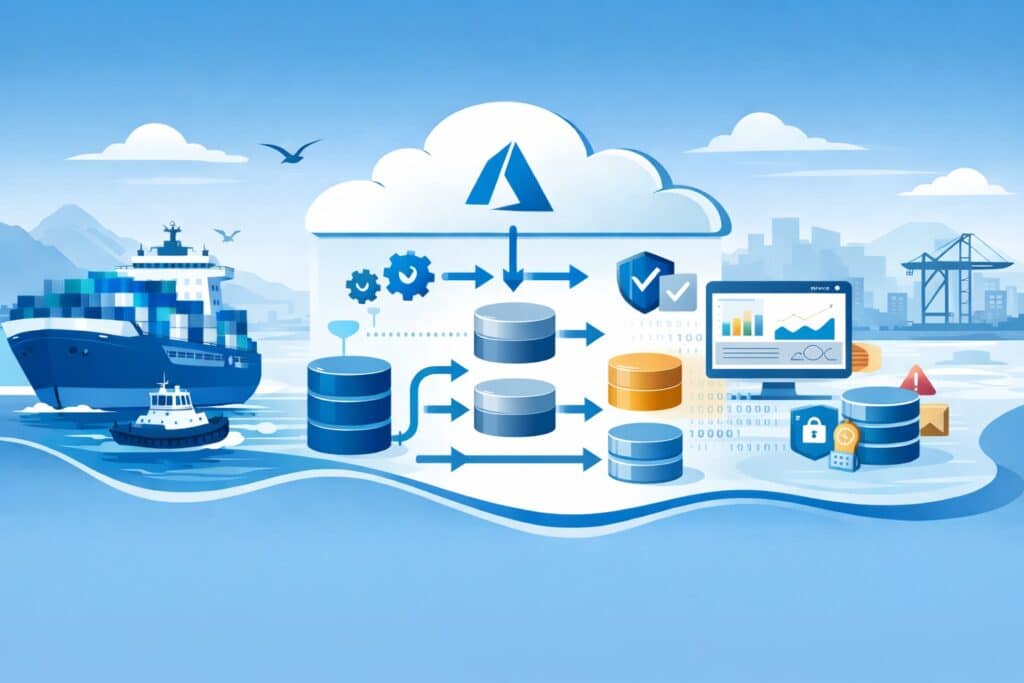
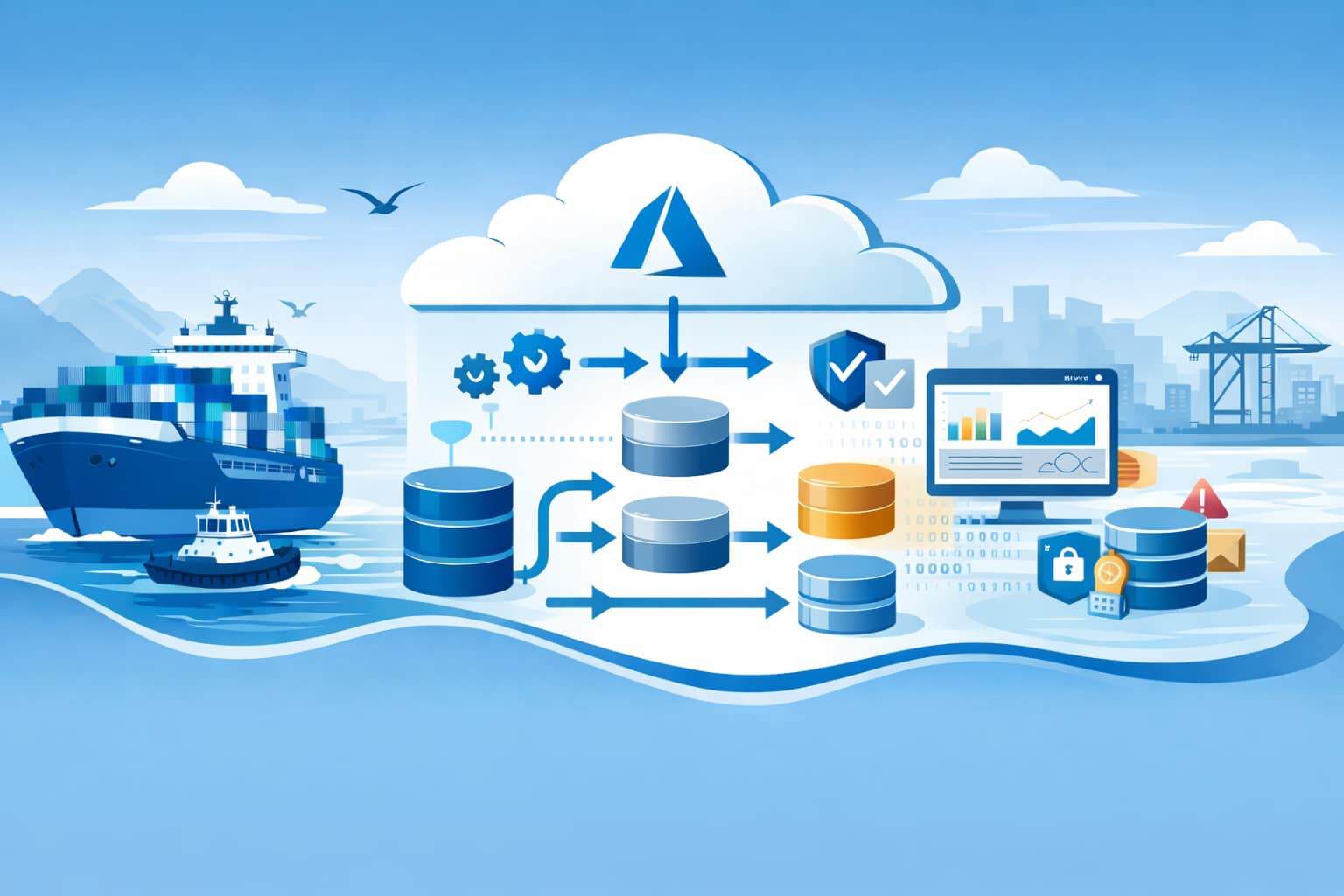
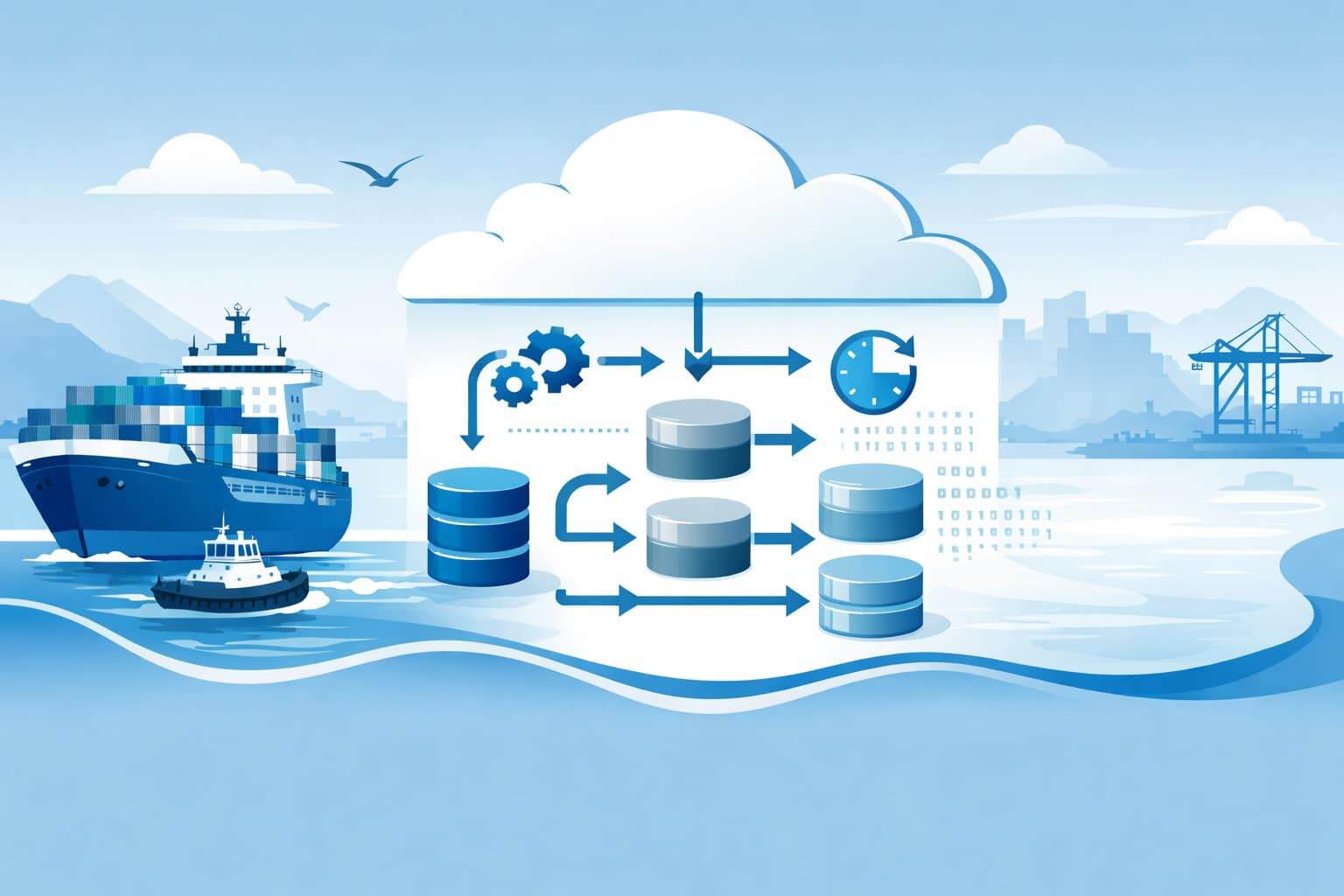
The redesigned data platform followed a Medallion architecture –- Bronze layer: Raw data ingestion and archival
- Silver layer: Curated and validated data for analytical readiness
- Gold layer: Business-ready aggregates powering operational and executive dashboards
- Pipeline Quality & Governance:
To ensure long-term reliability, unit testing and peer reviews were embedded into the Agile delivery framework. This improved development rigor and reduced downstream issues. - Proactive Data Quality Monitoring:
Custom data validation logic and telemetry were implemented to flag anomalies (e.g., inconsistent timestamps or missing values). All metrics were logged centrally in Azure Log Analytics and visualized via a Power BI monitoring dashboard, enabling rapid detection and resolution of data quality issues. - Analytics Enablement & Accessibility:
Data from the silver and gold layers was made available through Azure Synapse Serverless SQL endpoints, offering analysts a familiar, high-performance SQL interface while maintaining the benefits of a modern, delta-formatted data lake. - Best Practices & DevOps Integration:
Security and operational best practices were incorporated throughout:- Azure Key Vault for credential management
- Automated retry logic and email alerts for pipeline reliability
- Centralized ETL telemetry and monitoring
- Version control, CI/CD, and documentation through Azure DevOps
- PySpark development in VS Code for maintainability and consistency
The Architecture
The Results
Enhanced Data Quality & Operational Reliability: Proactive validation and monitoring significantly improved data integrity and reduced report delays, enabling faster and more confident business decision-making.
Cost Optimization & Performance Gains: The new pipelines executed faster and consumed fewer compute resources, achieving ~70% reduction in latency and up to ~90% lower storage costs compared to the previous setup.
Modern, Scalable Infrastructure: The revamped architecture positioned the client for future growth — supporting new data sources, advanced analytics, and AI use cases without major re-engineering.
Reduced Technical Debt: Clear documentation, code versioning, and governance processes improved transparency, reduced maintenance overhead, and strengthened knowledge continuity across teams.
Conclusion
With ProCogia’s redesigned Azure architecture, the client now has a reliable, real-time data foundation that scales with growing operational demands. Proactive data quality monitoring, stronger governance, and improved accessibility reduced technical debt while delivering major performance and cost improvements—enabling faster decisions today and creating a platform ready for future analytics and AI use cases.